
What treatment


3+ Leading Medical Clinics for Organ Transplant in South Korea
Trusted Medical Tourism Platform Since 2007
What are the best organ transplant clinics in South Korea?
The top highly rated organ transplant clinics in South Korea are: 1. Seoul St. Mary's Hospital - The Catholic University of Korea (Seoul), 2. Seoul National University Healthcare System Gangnam Center (Seoul), and 3. SAM Medical Center (Gunpo).
These world-class hospitals provide advanced multispecialty care, specializing in organ transplantation, oncology, urology, and leukemia treatments. General medical and surgical treatment packages at these leading facilities range from $1,994 to $20,000 USD. They feature cutting-edge research, renowned medical professionals, strict hygiene standards, and comprehensive global patient services for international travelers.
SAM Medical Center


Overview
Opened in 1967, SAM Medical Center of Hyosan Medical Foundation, located in Gyeonggi-do, Korea, was the first general hospital in Anyang. Sam Hospital has grown to have 4 hospital groups such as Sam Anyang Hospital, G Sam Hospital (Sam International Hospital), Sam Women's Hospital and Sam Oriental Hospital and it plans to take a leap toward the world going beyond its region.
Read more details
 100.00% Patient Recommend
Seoul National University Healthcare System Gangnam Center


Overview
Seoul National University Hospital in Seoul offers advanced medical care, specialized centers, and global patient services with expert staff and research excellence.
Read more details
 100.00% Patient Recommend
Seoul St. Marys Hospital - The Catholic University of Korea
Overview
Leading urology center in Seoul, South Korea by St. Mary’s Hospital, providing advanced care, trusted specialists, and cutting-edge treatments.
Read more detailsBNH Korea
Located in Seoul, South Korea, B&H Korea helps international and local patients choose the best medical service provider in South Korea based on their budget and needs. A team of renowned medical professionals will take care of your medical trip, including medical consultation, scheduling doctor’s appointments, coordinating surgery appointments, as well as post-care services.


Discover your treatment options with a free, no-obligation quote!
Get your quote now! 100.00% Patient Recommend
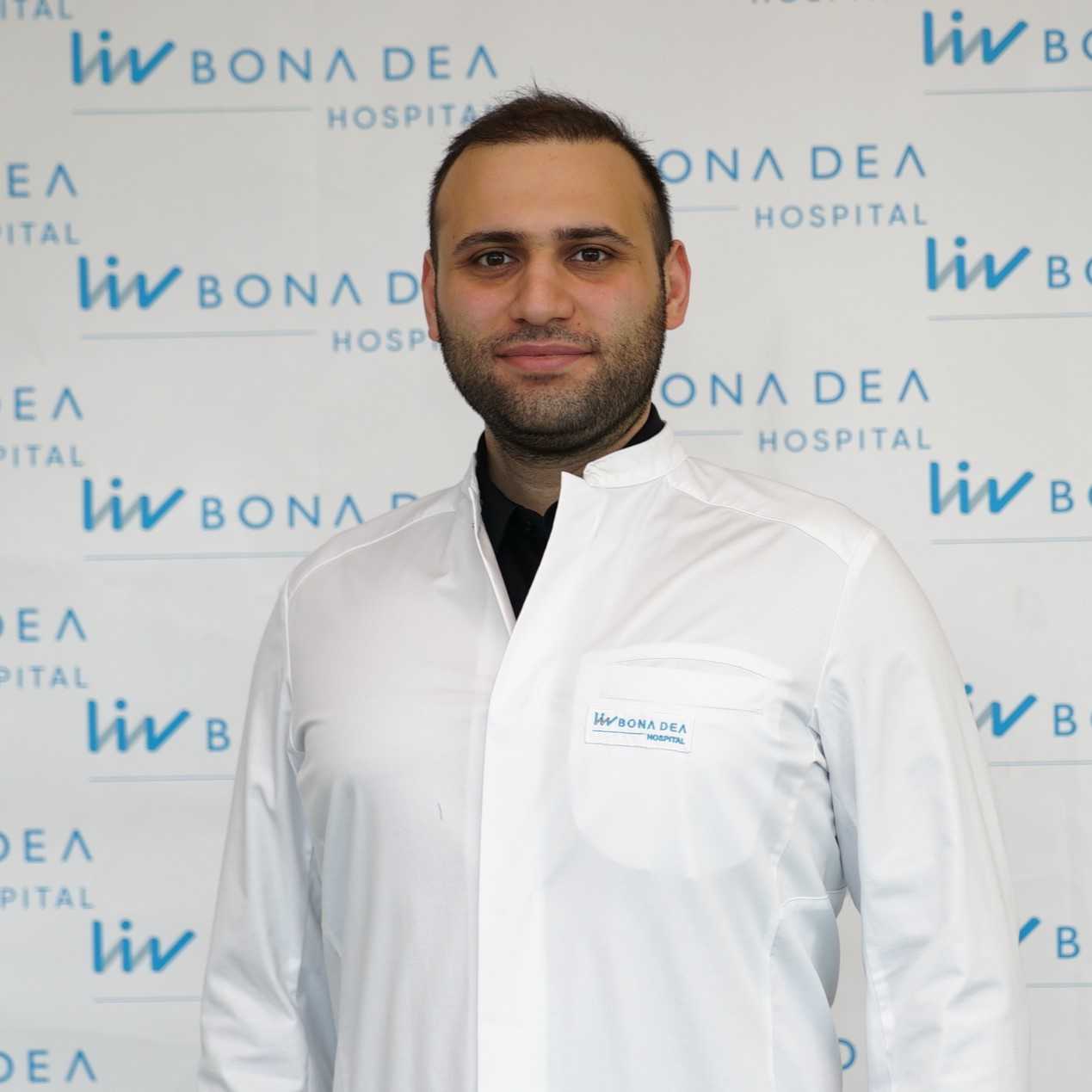
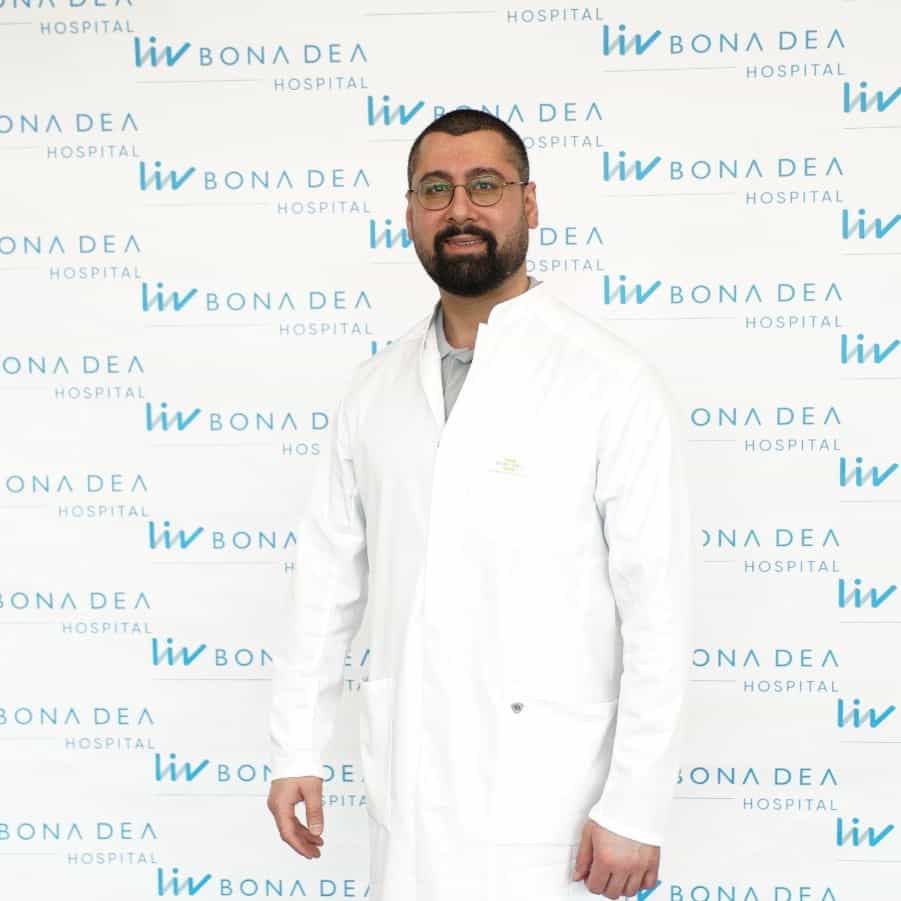
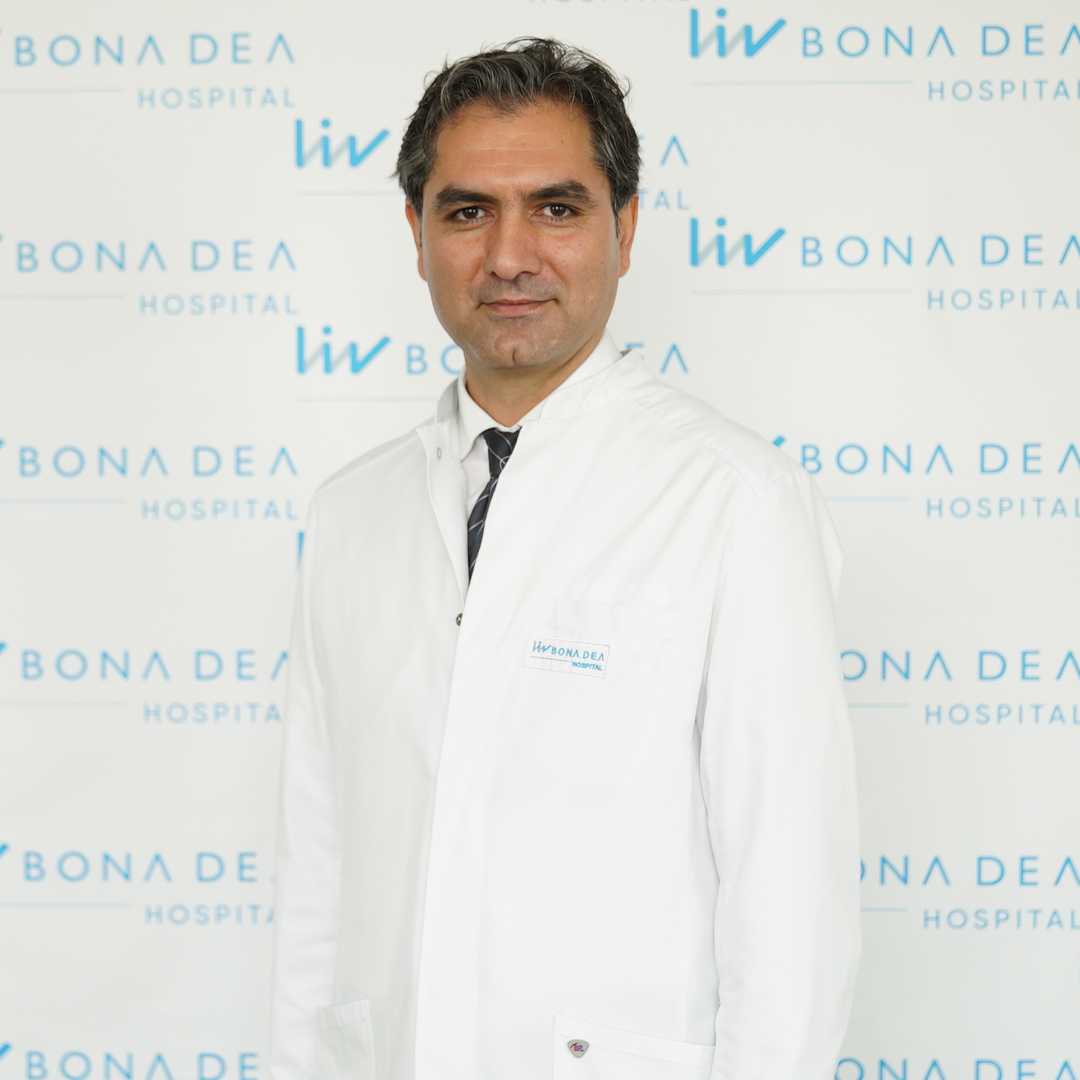
Liv Bona Dea Hospital in Baku, Azerbaijan
Overview
Liv Bona Dea Hospital in Baku, Azerbaijan offers advanced multispecialty care, including cancer treatment, plastic surgery, organ transplants, and more.
Read more details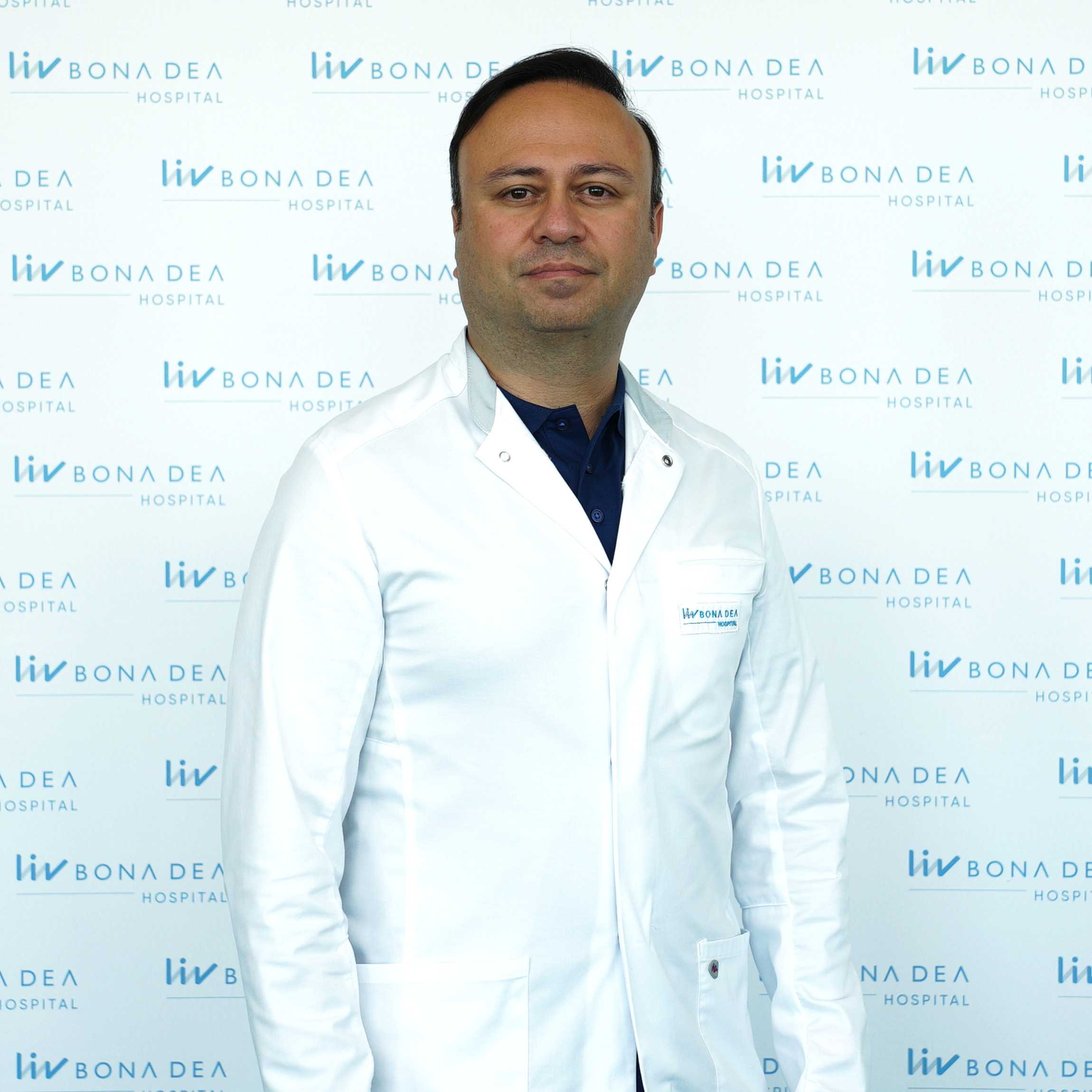

Artemis Hospitals
Overview
Artemis Hospitals in Gurgaon, India, offers advanced care in oncology, orthopedics, neurology, cardiology, gastroenterology, and more.
Read more details 100.00% Patient Recommend
GHC Hospitals
Overview
GHC Hospitals stands as a 150-bedded Multi-Specialty Tertiary care Hospital, the largest in the Thane down region, Known centre for Organ Transplant,Complicated Cardiac Surgeries, Orthopedic etc
Read more details
Krishna Institute of Medical Sciences (KIMS), Bengaluru
Overview
Krishna Institute of Medical Sciences (KIMS) Bengaluru is recognized as the best hospital in India, offering advanced multispecialty care and expert doctors.
Read more details
Discover your treatment options with a free, no-obligation quote!
Get your quote now!
Paras Cancer Center
Overview
Paras Cancer Centre, located in Gurgaon, India provides superior cancer treatment by a group of specialized and experienced oncologists of national and international repute. Read more for center details.
Read more details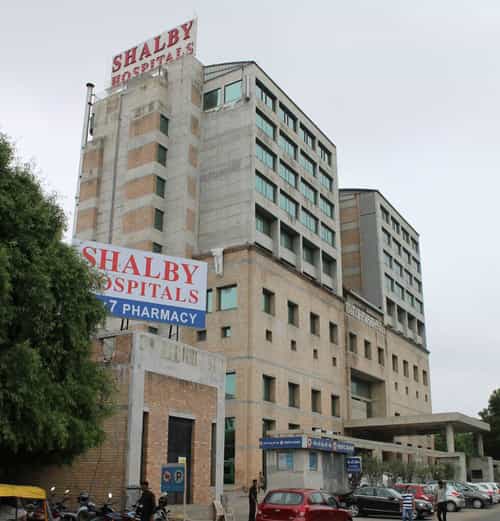
Shalby Limited Ahmedabad
Overview
Shalby Hospitals, Ahmedabad, offers advanced joint replacement, cardiac care, oncology, and more with personalized international patient services.
Read more details
Xin Hongqiao Xuan Nuo Branch in Shanghai, China
Overview
Visit Xin Hongqiao Xuan Nuo Hospital in Shanghai, China for health screening, endoscopy, gynecology, urology, and specialist care.
Read more details 90.91% Patient Recommend
Global Hospitals Group
Overview
Global Hospitals Group, is the most renowned healthcare service provider in India, offering exceptional care, cutting-edge research and advanced education to care givers. This is one of the fastest growing chains of Multi Super Specialty Tertiary Care Hospitals in India providing healthcare services at international standards. The group has five hospitals in Hyderabad, Chennai, Bangalore and Mumb
Read more details 100.00% Patient Recommend
Manipal Hospital
Overview
Get advanced medical treatment for anti-aging, cancer and chronic disease at Manipal Hospital in Bangalore India. Trust their expertise for comprehensive care.
Read more details
Wockhardt Hospitals
Overview
Wockhardt Hospitals Group is a chain of super speciality hospitals across India. Wockhardt Hospitals offer the latest technology, multi-disciplinary capabilities, state-of-the-art facilities, a world class infrastructure and excellent patient care ambience and processes. Wockhardt Hospitals are JCI
Read more detailsAdiva | Super Speciality Care
After making great strides in other fields, we now proudly bring to you the world's most advanced Laparoscopy treatment in association with the best and most experienced doctors in this field.
Al Shifa Hospital
Al Shifa Hospital is committed to the achievement and maintenance of excellence in healthcare, education and research for the benefit of humanity. Since its inception in the year 1989 the Hospital has grown steadily with diverse array of health care activities ranging from specialty to multi super specialties.
Asian Institute of Medical Sciences
Asian Institute of Medical Sciences is Dr. N.K. Pandey's vision of premier healthcare institution across the region dedicated to providing modern and quality healthcare services for all.
Hiranandani Hospital
Hiranandani Hospital is located in the beautiful Mumbai, India. The Hiranandani Hospital specializes in Fertility Treatment, Obesity/Bariatric Surgery, Pediatric Treatment, General Medicine, Heart Care/Surgery, ENT, Dentistry, General Surgery, Urology, Gynecology Treatment, Hair Transplantation, Orthopedic/Knee Surgery, Cosmetic/Plastic Surgery, Eye/Lasik Care. Hiranandani Hospital is dedicated to the constant pursuit of excellence, committed to high quality medical care, featuring experienced and trained professionals and using the latest technology. In order to contact the medical center, please fill out the contact form.
IJN - National Heart Institute
Delivering the most advanced standards & comprehensive services in cardiovascular & thoracic medicine for adult and pediatric heart patients.
Indraprastha Apollo Hospitals-Delhi
One of the largest super specialty corporate hospitals in the world achieving medical excellence with a human touch! Provides a complete range of latest diagnostic, medical and surgical facilities for the care of its patients.
Why South Korea is the Global Leader in Organ Transplantation?
South Korea, particularly its capital Seoul, has established itself as a world-renowned hub for complex organ and tissue transplants. With survival rates that frequently surpass Western benchmarks, here is why international patients seek out Korean medical expertise for their life-saving procedures.
Pioneers in Living Donor Transplants
Due to a historical shortage of deceased donors, South Korea has perfected Living Donor Liver Transplants (LDLT) and Living Donor Kidney Transplants. Top facilities in Seoul perform these highly complex, dual-patient surgeries with unparalleled precision, resulting in some of the highest graft survival rates globally.
World-Class Multispecialty Hospitals
Institutions like Seoul St. Mary's Hospital and Seoul National University Healthcare System boast dedicated transplant institutes. These centers feature state-of-the-art sterile environments, advanced robotic-assisted surgical systems for donor nephrectomies, and specialized intensive care units dedicated solely to transplant patients.
Exceptional Speed of Evaluation
Time is critical when facing organ failure. The Korean healthcare system is engineered for efficiency. Comprehensive donor-recipient cross-matching, advanced imaging, and mandatory ethics committee reviews are executed rapidly, moving international patients from consultation to surgery without the agonizing delays experienced in other countries.
Advanced Immunosuppression Protocols
Preventing organ rejection is just as crucial as the surgery itself. Korean transplant specialists utilize highly customized, cutting-edge immunosuppressive medication regimens tailored to the genetic profile of the patient. This meticulous post-operative management ensures long-term organ health and significantly reduces complication risks.
Organ Transplant Costs in South Korea vs. United States (2026)
Despite offering world-leading surgical expertise and technology, organ transplantation in South Korea remains significantly more affordable than in North America. Review the projected 2026 cost comparisons below.
| Procedure | South Korea Price | US / UK Price | You Save | Savings % |
|---|---|---|---|---|
| Living Donor Kidney Transplant | $65,000–$85,000 | $250,000–$400,000 | $185,000+ | 75% |
| Living Donor Liver Transplant (LDLT) | $110,000–$140,000 | $450,000–$650,000 | $340,000+ | 76% |
| Bone Marrow Transplant (Leukemia) | $50,000–$75,000 | $200,000–$350,000 | $150,000+ | 75% |
| Pre-Transplant Compatibility Evaluation | $4,500–$7,500 | $15,000–$25,000 | $10,500+ | 70% |
* Prices are 2026 estimates based on major facilities like Seoul St. Mary's Hospital and Seoul National University Healthcare System. Total costs for organ transplants vary greatly based on the duration of ICU stays, specific medications required, and the complexity of the donor-recipient matching process. These estimates encompass both donor and recipient surgical costs. Request a free quote for a precise evaluation.
Seoul vs. Alternative South Korean Cities for Transplant Care
While Seoul is the undeniable epicenter of advanced medical care, the wider metropolitan area and secondary cities offer specialized facilities for international transplant patients.
Seoul
Global Transplant Hub
Home to internationally renowned facilities like Seoul St. Mary's Hospital and SNU Healthcare System. It offers the highest concentration of elite transplant surgeons, top-tier pediatric transplant units, and dedicated international patient wards, making it the premier choice for complex cases.
Gunpo
Gyeonggi Province
Just outside the capital, Gunpo hosts the respected SAM Medical Center. It provides world-class surgical oncology and transplant care in a slightly less congested environment than central Seoul, ideal for patients who desire a quieter, focused recovery period.
Busan
Coastal Metropolis
South Korea's second-largest city features robust university hospitals with excellent liver and kidney transplant departments. The coastal climate provides a unique recovery environment, though the volume of international patients is lower than in Seoul.
Incheon
Gateway City
Home to the international airport and a growing free economic zone featuring massive international hospitals. It is highly convenient for critical patients requiring immediate medical attention upon landing, offering seamless transitions from flight to hospital bed.
Expert Transplant Procedures in South Korea
Korean medical centers specialize in complex, living-donor procedures. From solid organs to bone marrow, these are the life-saving treatments attracting global patients.
Living Donor Liver Transplant (LDLT)
$110,000 – $140,000South Korea performs more living donor liver transplants per capita than any other nation. Surgeons expertly remove a portion of a healthy donor's liver and implant it into the recipient, relying on the organ's unique ability to regenerate fully in both individuals within weeks.
Save $340,000+ vs. US prices
Living Donor Kidney Transplant
$65,000 – $85,000A life-altering procedure for patients with end-stage renal disease. Korean clinics utilize advanced laparoscopic and robotic techniques for the donor nephrectomy, ensuring minimal scarring and rapid recovery for the donor, while providing excellent graft survival for the recipient.
Save $185,000+ vs. US prices
Bone Marrow Transplant (BMT)
$50,000 – $75,000Renowned centers like Seoul St. Mary's Hospital lead the world in treating leukemia and severe blood disorders through Hematopoietic Stem Cell Transplantation. They offer comprehensive protocols including strict sterile isolation wards and advanced graft-versus-host disease (GVHD) management.
Save $150,000+ vs. US prices
Donor Compatibility Evaluation
$4,500 – $7,500Before any surgery, rigorous medical and ethical testing is required. This intensive 3-to-5-day inpatient package includes HLA tissue typing, psychiatric evaluations, advanced 3D vascular mapping of the donor organ, and mandatory Korean Ethics Committee documentation.
Essential pre-requisite for all living donor surgeries
How to Choose a Transplant Center in South Korea?
Undergoing an organ transplant abroad is a massive undertaking. Protect your health and your donor's well-being by following this critical 5-step checklist when selecting a Korean hospital.
Verify Institutional Credentials
Do not settle for standard clinics. Ensure the hospital holds Joint Commission International (JCI) accreditation and is officially certified by KAHF (Korean Accreditation Program for Hospitals Serving Foreign Patients) for highly complex surgical procedures.
Review Specific Transplant Statistics
Ask for the center's specific data. For example, if you need a liver transplant, inquire about their 1-year and 5-year graft survival rates for LDLT. Top Korean centers proudly publish statistics that often exceed 95% survival rates.
Understand Living Donor Legalities
South Korea has incredibly strict laws to prevent organ trafficking. Your chosen hospital must guide you through the process of providing birth certificates, marriage licenses, and undergoing the mandatory Korean Organ Donation Ethics Committee interview.
Assess International Patient Support
An organ transplant requires a stay of several months. Ensure the hospital has a dedicated International Healthcare Center with in-house medical translators, specialized dietary options, and assistance with long-term medical visa extensions.
Utilize Medical Facilitation
Navigating a foreign medical system during a health crisis is daunting. By using PlacidWay, you are guaranteed access to fully vetted institutions like Seoul National University Hospital and Seoul St. Mary's, ensuring safe and ethical care.
Your Transplant Timeline in South Korea
An organ transplant is a multi-month commitment requiring meticulous planning. Here is what to expect when you bring your living donor to Seoul.
Step 1: Remote Medical Review & Matching
Before you travel, PlacidWay transfers your comprehensive medical records, lab results, and your donor's initial compatibility scans to the Korean surgical team. They will confirm if a living donor procedure is viable based on this preliminary data.
Step 2: Arrival, Evaluation & Ethics Approval
Upon arriving in Seoul, both patient and donor undergo an intensive 3-to-5-day inpatient evaluation. Concurrently, you will submit authenticated legal documents to the hospital's ethics committee proving the relationship and confirming the donation is entirely voluntary.
Step 3: The Simultaneous Surgeries
Once approved, the surgeries take place simultaneously in adjacent operating rooms. Highly specialized teams extract the organ (or organ segment) from the donor and immediately implant it into the recipient, minimizing the time the organ is without blood flow.
Step 4: Intensive Care and Ward Recovery
The recipient is transferred to a highly sterile Transplant ICU for critical monitoring of organ function and immunosuppressant levels. The donor usually recovers in a standard ward and is discharged within 5 to 7 days, while the recipient remains hospitalized for 2 to 4 weeks.
Step 5: Outpatient Monitoring & Safe Return
After discharge, the recipient must stay in South Korea (usually at a nearby residence or recovery hotel) for an additional 4 to 8 weeks. You will visit the clinic twice a week for blood tests to fine-tune anti-rejection medications before you are cleared to fly home.
Organ Transplant in Seoul, South Korea FAQ
Find clear answers to complex legal and medical questions regarding receiving an organ transplant in South Korea.
Life-Saving Journeys: Transplant Patients in South Korea
Read how international patients navigated severe organ failure and found a second chance at life through the advanced surgical expertise in Seoul.
"My liver failure was progressing rapidly, and the waiting list at home was a death sentence. My brother offered to be a living donor, and we were directed to Seoul St. Mary's Hospital. The efficiency of the Korean ethics committee and the surgical team was staggering. The transplant was a complete success, and today, both my brother and I are healthy and thriving with normally functioning livers."
"Undergoing a kidney transplant in a foreign country was terrifying, but the team at Seoul National University Healthcare System made us feel incredibly safe. They used robotic surgery on my sister to remove her kidney, meaning she had almost no visible scars and recovered in days. The post-operative isolation care I received was meticulous. It saved my life and our family's finances."
Why Choose PlacidWay for Your Transplant Journey?
Organ transplantation requires extreme precision, ethics, and care. PlacidWay connects you strictly with South Korea's most prestigious, accredited transplant institutes.
Strictly Vetted Transplant Centers
We only partner with elite South Korean hospitals that maintain dedicated transplant units, hold JCI accreditation, and have proven, published track records of high graft survival rates for international patients.
Transparent Legal & Financial Guidance
Living donor procedures involve complex Korean legalities. We help facilitate the translation of your relationship documents and provide transparent, itemized cost estimates so there are no financial surprises during your critical care.
Direct Specialist Communication
We expedite the transfer of your medical files, lab results, and imaging directly to top Korean transplant surgeons, allowing you to receive rapid, accurate remote assessments regarding donor compatibility before you travel.
Comprehensive Patient Advocacy
From the moment you contact us until long after you have returned home with your new organ, our patient coordination team acts as your advocate, ensuring seamless communication between you and the Korean medical staff.
Secure Your Future with World-Class Transplant Surgery
Do not let long waitlists dictate your health. Access the highest standard of living donor transplants in South Korea and save up to 75% on life-saving medical care. Start your evaluation process today.
Get Free QuoteDisclaimer: PlacidWay is a medical tourism facilitator and does not provide medical advice, diagnosis, or treatment. We connect patients with independently verified hospitals abroad. Always consult with your primary healthcare provider or specialist regarding organ transplantation and donor compatibility.
Share with AI
Share this page with AI assistants to get summaries and insights


List of Best Organ Transplant Clinics in South Korea
Unlock the Best Organ Transplant Packages Just for You
Discover the ultimate Organ Transplant packages designed to meet your health and wellness goals. Choose the perfect fit for your journey.

Price starting from $60,000
Liver Transplant Package in Istanbul, Turkey by Group Florence Nightingale Hospital
Group Florence Nightingale Hospitals
- Organ Transplant
Istanbul, Turkey
Price starting from $25,000
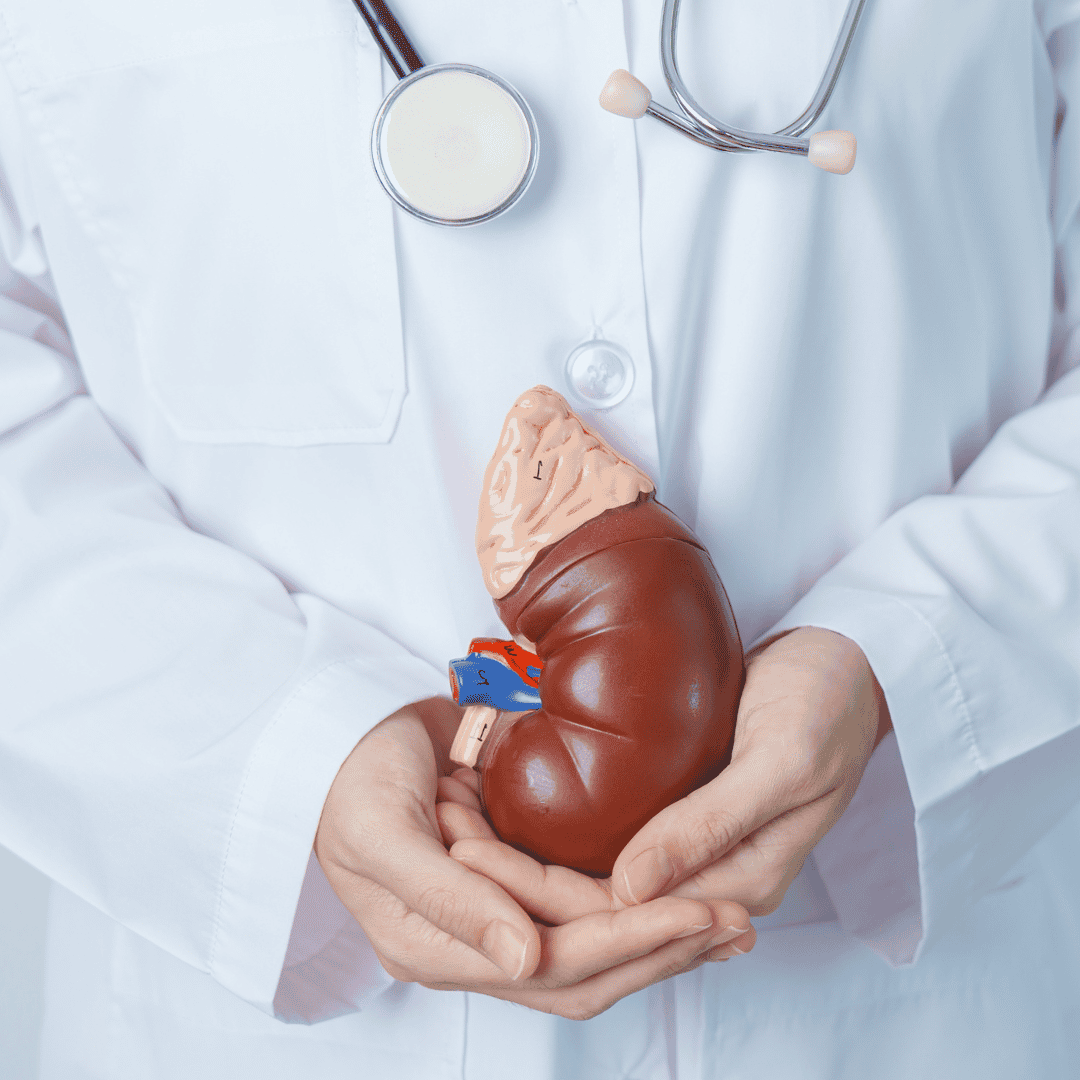
Kidney Transplant in Turkey by Baskent University Istanbul Hospital
Baskent University Istanbul Hospital
- Organ Transplant
, Turkey
Price starting from $55,000
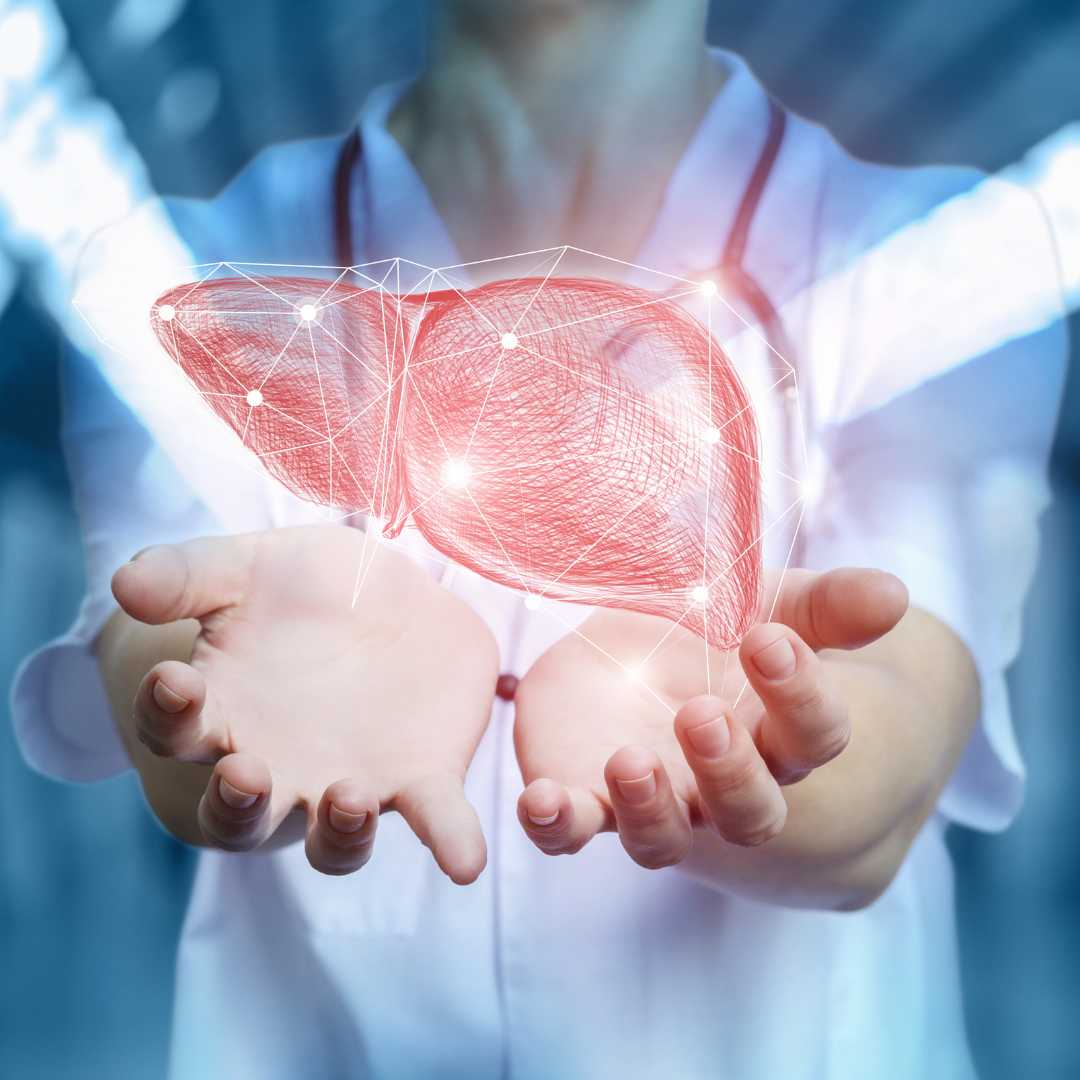
Liver Transplant Package in Istanbul, Turkey - Top Clinics
PlacidWay Turkey Medical Tourism
- Organ Transplant
Istanbul, Turkey

Price starting from $50,000
Best Liver Transplant in Antalya, Turkey
PlacidWay Turkey Medical Tourism
- Organ Transplant
Istanbul, Turkey
Transformative Organ Transplant Experiences: Dive into Procedure Insights
Discover the power of Organ Transplant through compelling patient experiences. Uncover detailed insights into procedures, recovery journeys, and life-changing results.


Kidney Transplant in Turkey - Improve Your Kidney Function
- Kidney Transplant, Organ Transplant
Turkey
.png)
Price starting from $60,000
Liver Transplant in Istanbul, Turkey
- Liver Transplant, Organ Transplant
Istanbul, Turkey

Price starting from $20,000
Kidney Transplantation in Istanbul, Turkey
- Kidney Transplant, Organ Transplant
Istanbul, Turkey

I can go once every six months, but there was also a delicious spaghetti restaurant. I had fun because I got to eat delicious food. I had many good experiences because I was able to eat delicious spaghetti.
Read More